
India’s struggle for independence from British colonial rule was a saga of unmatched courage, sacrifice, and resilience. The movement was steered by numerous leaders whose contributions not only liberated the nation but also inspired freedom movements worldwide. Below is an account of ten prominent freedom fighters, highlighting their lives and key contributions.
1. Mahatma Gandhi (1869–1948)
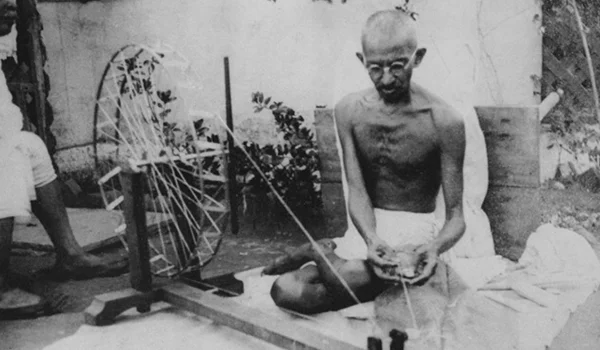
- Born: October 2, 1869, in Porbandar, Gujarat
- Died: January 30, 1948, in New Delhi
Mahatma Gandhi, revered as the “Father of the Nation,” was the foremost leader of India’s freedom struggle. His philosophy of Ahimsa (non-violence) and Satyagraha (truth force) mobilized millions. Gandhi spearheaded major movements like the Non-Cooperation Movement (1920), Dandi Salt March (1930), and Quit India Movement (1942). His steadfast belief in civil disobedience inspired global leaders like Martin Luther King Jr. and Nelson Mandela.
2. Subhas Chandra Bose (1897–1945?)
- Born: January 23, 1897, in Cuttack, Odisha
- Presumed Dead: August 18, 1945 (controversial)
Subhas Chandra Bose, also called “Netaji,” was known for his radical approach to achieving independence. He founded the Indian National Army (INA) and coined the slogan, “Give me blood, and I will give you freedom.” Bose allied with Axis Powers during World War II to confront British rule. His efforts galvanized a sense of unity and nationalism among Indians.
3. Rani Lakshmibai (1828–1858)
- Born: November 19, 1828, in Varanasi, Uttar Pradesh
- Died: June 18, 1858, in Gwalior, Madhya Pradesh
A symbol of resistance during the First War of Independence (1857), Rani Lakshmibai was the Queen of Jhansi. Her bravery in the face of British aggression made her a national icon. Leading her troops into battle, she famously declared, “Main apni Jhansi nahi doongi” (I shall not give up my Jhansi). Her martyrdom remains an inspiration for countless generations.
4. Bhagat Singh (1907–1931)
- Born: September 28, 1907, in Banga, Punjab (now in Pakistan)
- Died: March 23, 1931, in Lahore, Punjab (now in Pakistan)
Bhagat Singh’s revolutionary ideology made him a youth icon. As a member of the Hindustan Socialist Republican Association (HSRA), he advocated socialism and was instrumental in the Kakori Conspiracy and Assembly Bombing Case (1929). Singh’s execution at the young age of 23 elevated him to martyrdom. His last words, “Inquilab Zindabad” (Long live the revolution), echo in Indian consciousness even today.
5. Jawaharlal Nehru (1889–1964)
- Born: November 14, 1889, in Allahabad, Uttar Pradesh
- Died: May 27, 1964, in New Delhi
India’s first Prime Minister, Jawaharlal Nehru, was a central figure in the independence movement and a close associate of Gandhi. He played a vital role in the Civil Disobedience Movement and the drafting of India’s economic and social framework post-independence. Nehru’s vision of a secular and progressive India is encapsulated in his book, “The Discovery of India.”
6. Sardar Vallabhbhai Patel (1875–1950)
- Born: October 31, 1875, in Nadiad, Gujarat
- Died: December 15, 1950, in Mumbai, Maharashtra
Known as the “Iron Man of India,” Sardar Patel was instrumental in unifying India after independence by integrating over 500 princely states. His leadership in the Kheda and Bardoli Satyagrahas highlighted his administrative acumen and commitment to the farmers’ cause. Patel’s determination ensured the seamless consolidation of the Indian Union.
7. Dr. B.R. Ambedkar (1891–1956)
- Born: April 14, 1891, in Mhow, Madhya Pradesh
- Died: December 6, 1956, in Delhi
Dr. Ambedkar, the principal architect of the Indian Constitution, was a relentless crusader for social justice and the upliftment of Dalits. While not directly part of the mainstream nationalist movement, his contribution to ensuring equality, liberty, and fraternity through constitutional means was pivotal to India’s independence and subsequent nation-building.
8. Bal Gangadhar Tilak (1856–1920)
- Born: July 23, 1856, in Ratnagiri, Maharashtra
- Died: August 1, 1920, in Mumbai, Maharashtra
Bal Gangadhar Tilak, hailed as the “Lokmanya” (beloved leader), was among the first leaders to demand Swaraj (self-rule). He popularized the slogan, “Swaraj is my birthright, and I shall have it.” Tilak’s use of Ganesh Chaturthi and Shivaji festivals for nationalist propaganda was groundbreaking. His role in forming the Home Rule League (1916) laid the groundwork for future movements.
9. Chandra Shekhar Azad (1906–1931)
- Born: July 23, 1906, in Bhavra, Madhya Pradesh
- Died: February 27, 1931, in Allahabad, Uttar Pradesh
A contemporary of Bhagat Singh, Chandra Shekhar Azad was a fearless revolutionary who vowed never to be captured alive. True to his promise, he shot himself in Alfred Park during a standoff with British forces. Azad’s leadership in the HSRA and participation in revolutionary activities like the Kakori Train Robbery highlighted his commitment to India’s liberation.
10. Sarojini Naidu (1879–1949)
- Born: February 13, 1879, in Hyderabad, Telangana
- Died: March 2, 1949, in Lucknow, Uttar Pradesh
Known as the “Nightingale of India,” Sarojini Naidu was a poet and freedom fighter who played a prominent role in the Civil Disobedience Movement and Salt March. She was the first Indian woman to become the President of the Indian National Congress and later, the first woman Governor of an Indian state (Uttar Pradesh). Naidu’s eloquence and dedication made her a beloved leader.
Conclusion
The collective efforts of these ten stalwarts, along with countless unsung heroes, culminated in India’s independence in 1947. Each figure brought unique strengths to the movement, ranging from non-violent protest to armed revolution, from legislative reform to grassroots mobilization. Their legacies remind us of the sacrifices made for freedom and the responsibility to uphold the ideals they championed.
Hello, I’m Kapil Kumar, a seasoned SEO expert and blogger at WinnersList.in. My mission is to spotlight exceptional individuals and organizations across various domains. Through curated lists, profiles, and inspiring stories, I aim to celebrate outstanding achievements and inspire the next generation of champions. Join me in this journey.