
Arc welding is a widely employed method for joining metals, using an electric arc to generate heat and fuse materials together. It is a versatile and cost-effective process used in industries such as construction, automotive repair, and manufacturing. While it offers numerous advantages, it also comes with certain limitations. In this article, we will explore the advantages and disadvantages of arc welding in detail.
What is Arc Welding?
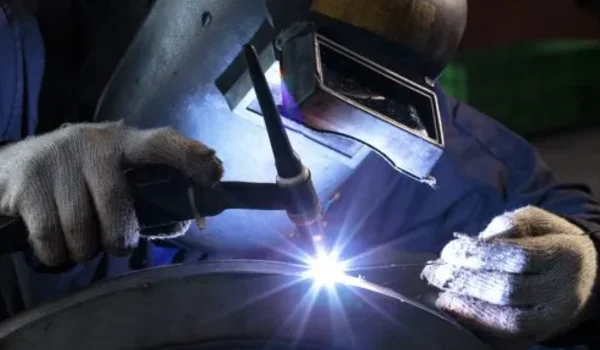
Arc welding involves creating an electric arc between an electrode and the base material to melt and join the metals. The intense heat generated by the arc melts the workpieces, which fuse together upon cooling. This method is effective for various types of metals and thicknesses, making it a favored technique in the welding industry.
Advantages of Arc Welding
- Cost-Effectiveness
Arc welding equipment is affordable and requires minimal setup, making it accessible for small-scale and large-scale operations. - Versatility
This method works on a wide range of metals, including ferrous and non-ferrous materials such as steel, stainless steel, and cast iron. - Portability
Arc welding equipment is compact and lightweight, making it easy to transport for on-site work, even in remote areas. - High Strength Joints
The welds created through arc welding are strong and durable, suitable for structural and load-bearing applications. - Ease of Use
With proper training, arc welding is relatively simple to learn and operate, making it accessible for DIY enthusiasts and professionals alike. - High-Temperature Capability
The high heat generated during arc welding allows it to handle thick and heavy materials, making it suitable for industrial-grade projects. - Flexibility in Positioning
Arc welding can be performed in various positions, such as flat, vertical, horizontal, and overhead, providing flexibility in different scenarios.
Disadvantages of Arc Welding
- Health and Safety Risks
Arc welding emits ultraviolet and infrared radiation, posing a risk to the welder’s eyes and skin. Toxic fumes and sparks also contribute to safety concerns. - Limited to Conductive Materials
Arc welding is only effective on conductive metals, limiting its use on materials like ceramics, plastics, or composites. - Weather Dependency
Outdoor arc welding is challenging in windy or rainy conditions, as these factors can disrupt the arc and compromise weld quality. - High Power Consumption
The process requires significant electricity, increasing operational costs for long or large-scale projects. - Skilled Labor Required
While basic arc welding can be learned quickly, achieving high-quality welds demands skill, precision, and experience. - Material Distortion
The intense heat of arc welding can cause warping or distortion, particularly in thinner metals, affecting the precision of the finished product. - Time-Consuming for Complex Jobs
Compared to modern welding techniques like laser or robotic welding, arc welding can be slower for intricate or high-volume tasks.
Applications of Arc Welding
Arc welding is commonly used in:
- Construction: Joining steel structures like beams, columns, and frames.
- Automotive Industry: Repairing vehicle frames and exhaust systems.
- Shipbuilding: Welding heavy and thick metal plates.
- Manufacturing: Producing machinery and tools.
Comparison Table: Advantages vs. Disadvantages
| Advantages | Disadvantages |
|---|---|
| Cost-effective equipment and operation | Health and safety risks (radiation, fumes) |
| Works on a variety of metals | Limited to conductive materials |
| Portable and lightweight equipment | Weather-dependent performance |
| Produces strong and durable welds | High electricity consumption |
| Easy to learn and use | Requires skilled labor for quality welds |
| Handles thick and heavy materials | Risk of material distortion |
| Flexible welding positions | Slower for complex or large-scale tasks |
Safety Precautions in Arc Welding
To mitigate the disadvantages and risks associated with arc welding, proper safety measures must be followed:
- Wear Protective Gear: Use welding helmets, gloves, and aprons to shield against sparks, heat, and radiation.
- Ensure Proper Ventilation: Work in well-ventilated areas to reduce exposure to toxic fumes.
- Inspect Equipment Regularly: Check for damage in cables, electrodes, and power sources to ensure safe operation.
- Training and Certification: Welders should receive adequate training to understand techniques, safety protocols, and equipment handling.
Conclusion
Arc welding remains a cornerstone technique in the welding industry due to its affordability, versatility, and reliability. Its ability to produce strong, high-quality joints makes it a preferred choice for various applications, from heavy industrial work to simple DIY projects. However, the process does have limitations, including safety risks and its dependency on weather conditions and skilled labor.
By understanding the advantages and disadvantages of arc welding, industries and individuals can make informed decisions about its suitability for their specific needs. Additionally, adhering to safety protocols and investing in proper training can maximize the benefits while minimizing potential risks.

Hello, I’m Kapil Kumar, a seasoned SEO expert and blogger at WinnersList.in. My mission is to spotlight exceptional individuals and organizations across various domains. Through curated lists, profiles, and inspiring stories, I aim to celebrate outstanding achievements and inspire the next generation of champions. Join me in this journey.