
Nepal, the land of the Himalayas, is not only renowned for its natural beauty and spiritual heritage but also for its vibrant cultural traditions. Dance plays a central role in Nepali culture, deeply connected with festivals, rituals, and storytelling. Each region and community has preserved its unique form of folk dance that reflects the people’s lifestyle, beliefs, and traditions.
From the mystical Lakhey Dance of the Newar community in Kathmandu Valley to the graceful Maruni Dance of Eastern Nepal, these performances are more than art—they are living expressions of Nepal’s collective identity. In this article, we explore the traditional and folk dances of Nepal, their origins, cultural significance, costumes, instruments, and festive occasions.
Major Traditional and Folk Dances of Nepal
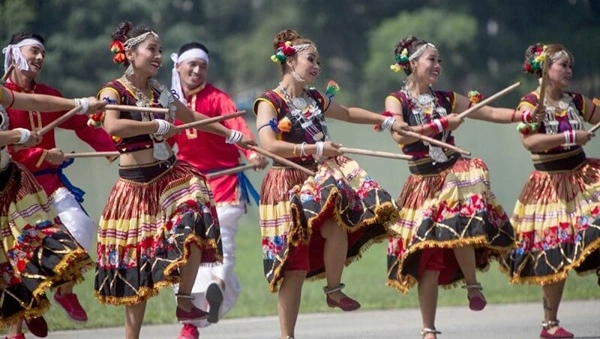
| Dance | Type | Region | Short Description |
| Lakhey Dance | Ritual/Folk | Kathmandu Valley | Performed by Newars, symbolizing a demon protecting people from evil spirits. |
| Maruni Dance | Folk | Eastern & Central Nepal | A colorful dance of Magar & Kirati communities, performed during festivals. |
| Sorathi Dance | Folk/Storytelling | Western Nepal (Gurung Community) | Narrates epic tales of kings, queens, and divine beings. |
| Charya Nritya | Ritual/Classical | Kathmandu Valley (Buddhist Monks) | A tantric Buddhist dance with symbolic movements. |
| Jhyaure Dance | Folk | Hills of Nepal | A joyful dance performed during weddings and fairs. |
| Deuda Dance | Folk/Religious | Far Western Nepal | A circle dance celebrating deities, community bonding, and festivals. |
| Kauda Dance | Folk | Magar community (Western Hills) | Energetic dance with traditional songs praising nature. |
| Dhan Naach | Harvest/Folk | Limbu Community (Eastern Nepal) | Celebrates harvest season with synchronized group steps. |
Detailed Descriptions of Major Dances
Lakhey Dance
- Origin: Associated with the Newar community of Kathmandu Valley. Believed to represent a demon who protects people from evil.
- Cultural Significance: Performed during Indra Jatra festival, symbolizing the fight between good and evil.
- Costumes: Dancers wear a large mask with fierce facial expressions, red costumes, and ornaments.
- Musical Instruments: Traditional drums (Dhime), cymbals (Bhusyah), and trumpets.
- Occasions: Indra Jatra, Gai Jatra, and Newar community festivals.
- Image Suggestion: Lakhey masked dancer at Indra Jatra in Kathmandu.
Maruni Dance
- Origin: Rooted in the Magar and Kirati communities of Eastern Nepal.
- Cultural Significance: Represents joy, unity, and celebration; often performed during Tihar and weddings.
- Costumes: Male dancers dress in colorful saris, with glittering ornaments and vibrant makeup.
- Musical Instruments: Madal (hand drum), harmonium, and flute.
- Occasions: Festivals, weddings, cultural gatherings.
- Image Suggestion: Group of dancers in bright saris performing Maruni in a village fair
Sorathi Dance
- Origin: Belongs to the Gurung community in Western Nepal.
- Cultural Significance: A storytelling dance narrating tales of kings, queens, and divine beings.
- Costumes: Traditional Gurung attire with jewelry and colorful dresses.
- Musical Instruments: Dholak, Madal, and flutes.
- Occasions: Harvest festivals, community events, and storytelling ceremonies.
- Image Suggestion: Gurung dancers in traditional costumes performing Sorathi under village settings.
Charya Nritya
- Origin: A classical tantric Buddhist dance performed by Newar Buddhist monks.
- Cultural Significance: Each movement symbolizes a deity’s presence and spiritual power.
- Costumes: Elegant silk robes, crowns, and symbolic ornaments.
- Musical Instruments: Bells, cymbals, and chanting.
- Occasions: Buddhist rituals, religious festivals, meditation ceremonies.
- Image Suggestion: Monks in symbolic attire performing Charya Nritya in a monastery.
Jhyaure Dance
- Origin: A popular dance of Nepal’s hilly regions.
- Cultural Significance: Expresses happiness, love, and community bonding.
- Costumes: Simple regional attire, women in gunyu-cholo, men in daura-suruwal.
- Musical Instruments: Madal, bansuri (flute).
- Occasions: Weddings, fairs, and social gatherings.
- Image Suggestion: Village youth dancing joyfully at a fair.
Deuda Dance
- Origin: A circle dance from the Far Western region of Nepal.
- Cultural Significance: Devotional dance performed to please deities and strengthen community bonds.
- Costumes: Traditional western hill attire with turbans and ornaments.
- Musical Instruments: Dhol, cymbals, harmonium.
- Occasions: Dashain, Gaura Festival, and regional fairs.
- Image Suggestion: Community performing Deuda in a big circle.
Kauda Dance
- Origin: Performed by the Magar community in Western Nepal.
- Cultural Significance: Celebrates nature, fertility, and bravery.
- Costumes: Traditional Magar dresses with ornaments.
- Musical Instruments: Madal, jhyamta (cymbals).
- Occasions: Harvest, marriage, and cultural celebrations.
- Image Suggestion: Magar dancers in traditional attire in a mountain village setting.
Dhan Naach
- Origin: Belongs to the Limbu community of Eastern Nepal.
- Cultural Significance: Celebrates the joy of harvest and communal harmony.
- Costumes: Limbus wear mekhli and phariya with silver ornaments.
- Musical Instruments: Traditional drums, flutes, and cymbals.
- Occasions: Paddy harvesting season, cultural festivals.
- Image Suggestion: Farmers and youth dancing in paddy fields after harvest.
FAQs
Q1: Which is the most famous dance of Nepal?
The Lakhey Dance of Kathmandu Valley is among the most famous traditional dances of Nepal, performed during the Indra Jatra festival.
Q2: How many folk dances does Nepal have?
Nepal has dozens of folk dances, with major ones being Lakhey, Maruni, Sorathi, Charya Nritya, Deuda, Kauda, and Dhan Naach.
Q3: What is the cultural importance of Nepali dances?
They preserve ancient traditions, celebrate festivals, honor deities, and strengthen social bonds within communities.
Q4: Are Nepali dances connected to agriculture?
Yes, many dances like Dhan Naach and Kauda are tied to agricultural cycles, especially harvest celebrations.
Conclusion
The traditional and folk dances of Nepal are not just artistic expressions but vibrant threads of its cultural identity. Each performance—whether the fierce Lakhey Dance of Kathmandu or the joyous Maruni Dance of Eastern Nepal—tells stories of faith, nature, and community life.
Hello, I’m Kapil Kumar, a seasoned SEO expert and blogger at WinnersList.in. My mission is to spotlight exceptional individuals and organizations across various domains. Through curated lists, profiles, and inspiring stories, I aim to celebrate outstanding achievements and inspire the next generation of champions. Join me in this journey.