
Goa, the smallest state on the western coast of India, is renowned worldwide for its beaches, colonial architecture, and vibrant festivals. Its culture is a blend of Indian traditions and Portuguese influence, making it unique among Indian states. Folk dances in Goa are an integral part of the state’s social and religious life, reflecting the agrarian roots, coastal lifestyle, and celebratory spirit of the Goan people.
Goan dances are performed to mark festivals, harvests, weddings, and community events, often accompanied by folk music and traditional instruments. From the energetic Fugdi performed by women to the graceful Dekhni and Mando dances, each performance narrates a story, conveys devotion, or celebrates life. These dances are living traditions, preserving the cultural identity of Goa for generations.
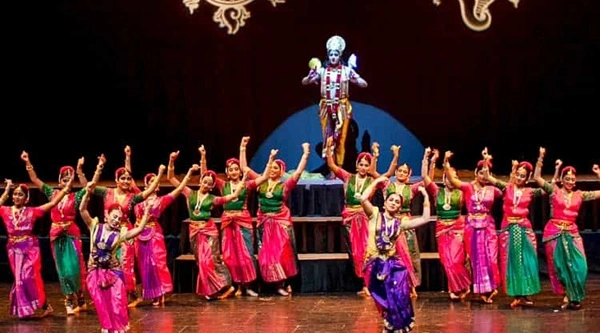
Major Traditional and Folk Dances of Goa
| Dance Name | Type | Region / Community | Short Description |
| Fugdi | Folk | Coastal Goa | Performed by women in circles or rows during festivals and social events; energetic and rhythmic. |
| Dekhni | Folk / Semi-Classical | Salcete and Bardez | Combines dance and singing; performed during temple festivals and social gatherings. |
| Mando Dance | Folk / Classical | Goan Catholic Communities | Romantic dance depicting love and devotion, performed to Mando songs. |
| Corridinho | Folk / Portuguese Influence | Panaji and Salcete | Fast-paced couple dance introduced during Portuguese rule; similar to European folk dances. |
| Shigmo Dance | Folk / Festival | Entire Goa | Performed during the Shigmo festival; includes traditional steps, singing, and colorful costumes. |
| Dhalo | Folk | Coastal Goa | Group dance performed by women during festivals; depicts social harmony and community spirit. |
| Goff Dance | Tribal / Ritual | Western Goa | Performed by tribal communities to honor local deities and during village fairs. |
| Veerachem Nach | Ritual / Folk | Goan Villages | Dance performed during festivals to honor heroes and mythological figures. |
| Konsachem Nach | Ritual / Folk | Konkan Region | Folk dance performed during harvest and religious festivals with rhythmic steps. |
| Dekhni-Kholkhal | Folk / Temple Dance | Salcete | Temple dance combining Dekhni steps with foot percussion and devotional songs. |
Detailed Explanation of Major Dances
- Fugdi – Women’s Rhythmic Dance
- Origin: Coastal villages of Goa; traditionally performed by women during festivals and social gatherings.
- Cultural Significance: Represents fertility, devotion, and community bonding; often performed after harvesting or during religious festivals.
- Costumes: Women wear traditional sarees or lungis, often brightly colored, with ornaments.
- Musical Instruments: Primarily performed without instruments, relying on rhythmic clapping and stamping of feet.
- Occasions: Ganesh Chaturthi, Shigmo, and village fairs.
- Image Suggestion: Women dancing in circles on village courtyards wearing colorful sarees.
- Dekhni – Semi-Classical Folk Dance
- Origin: Salcete and Bardez regions.
- Cultural Significance: Combines dance and singing, often depicting social life and temple rituals.
- Costumes: Sarees draped traditionally; women wear jewelry and flowers in their hair.
- Musical Instruments: Harmonium, dholak, manjira, and folk percussion.
- Occasions: Temple festivals, weddings, and cultural programs.
- Image Suggestion: Women performing synchronized steps in a semi-circular formation near a temple.
- Mando Dance – Romantic Classical Dance
- Origin: Goan Catholic communities; emerged during Portuguese rule.
- Cultural Significance: Expresses love, devotion, and social etiquette; often performed in pairs.
- Costumes: Women wear elaborate saris with lace; men wear formal attire or traditional dhotis.
- Musical Instruments: Guitar, violin, dholak, and ghumat.
- Occasions: Weddings, festive gatherings, and cultural celebrations.
- Image Suggestion: Couples performing graceful Mando dance steps with traditional attire.
- Corridinho – Portuguese Folk Influence
- Origin: Introduced during Portuguese colonization.
- Cultural Significance: Couple dance with quick footwork, reflecting European folk styles blended with Goan rhythm.
- Costumes: Women in long skirts and blouses; men in trousers and shirts or traditional dhotis.
- Musical Instruments: Guitar, violin, dhol, and tambourines.
- Occasions: Weddings, church feasts, and social festivals.
- Image Suggestion: Couples dancing in pairs with fast-paced movements in open courtyards.
- Shigmo Dance – Festival Celebration
- Origin: Celebrated throughout Goa.
- Cultural Significance: Part of the Shigmo festival, celebrating spring, harvest, and local legends.
- Costumes: Vibrant sarees, turbans, and traditional ornaments.
- Musical Instruments: Dhol, ghumat, cymbals, and folk songs.
- Occasions: Shigmo festival (March–April).
- Image Suggestion: Groups dancing in colorful attire during Shigmo parade.
- Dhalo – Women’s Community Dance
- Origin: Coastal Goa; performed by fisherfolk and farming communities.
- Cultural Significance: Symbolizes community bonding, fertility, and joy.
- Costumes: Brightly colored sarees with traditional ornaments.
- Musical Instruments: Folk percussion, clapping, and singing.
- Occasions: Village festivals, Ganesh Chaturthi, and social events.
- Image Suggestion: Women performing synchronized steps in groups outdoors.
- Goff Dance – Tribal Ritual Dance
- Origin: Western Goa tribal communities.
- Cultural Significance: Performed to honor local deities and during village fairs.
- Costumes: Tribal attire with headgear, feathers, and ornaments.
- Musical Instruments: Drums, gongs, and folk singing.
- Occasions: Religious rituals, harvest festivals, and community fairs.
- Image Suggestion: Tribal performers in colorful ritual attire dancing in village courtyards.
- Veerachem Nach – Heroic Folk Dance
- Origin: Goan villages.
- Cultural Significance: Depicts heroes, warriors, and mythological stories; inspires courage and community pride.
- Costumes: Men wear warrior-like attire; women in traditional sarees.
- Musical Instruments: Drums, cymbals, and folk singing.
- Occasions: Village festivals, hero commemoration, and weddings.
- Image Suggestion: Men performing dramatic warrior dance steps with traditional attire.
- Konsachem Nach – Harvest and Devotional Dance
- Origin: Konkan region of Goa.
- Cultural Significance: Celebrates harvest and devotion to local deities with rhythmic steps.
- Costumes: Men and women in traditional attire, sometimes holding props.
- Musical Instruments: Drums, cymbals, and folk songs.
- Occasions: Harvest festivals and religious celebrations.
- Image Suggestion: Village groups performing Konsachem Nach in open fields.
- Dekhni-Kholkhal – Temple Folk Dance
- Origin: Salcete temples in Goa.
- Cultural Significance: Temple dance combining Dekhni steps with devotional foot percussion.
- Costumes: Women wear sarees; men in traditional attire with turbans.
- Musical Instruments: Dhol, manjira, and folk singing.
- Occasions: Temple festivals and local celebrations.
- Image Suggestion: Temple dancers performing coordinated steps with rhythmic footwork.
FAQs
Q1. Which is the most famous dance of Goa?
👉 Fugdi is the most famous dance, performed by women during festivals and social gatherings.
Q2. How many folk dances does Goa have?
👉 Goa has over 10 major traditional and folk dances, each reflecting tribal, coastal, and Portuguese influences.
Q3. Are these dances performed by men or women?
👉 Fugdi, Dhalo, and Dekhni involve women, while Mando, Corridinho, and Veerachem Nach are performed by men or couples.
Q4. Which dances are performed during festivals?
👉 Shigmo, Fugdi, Dekhni, Dhalo, and Mando dances are commonly performed during Goan festivals like Shigmo, Ganesh Chaturthi, and village fairs.
Conclusion
The folk and traditional dances of Goa are a reflection of the state’s unique blend of Indian and Portuguese heritage, coastal lifestyle, and tribal traditions. From the energetic women’s dances like Fugdi and Dhalo to the romantic and classical Mando dance, each form tells a story of community, devotion, and celebration.
These dances preserve Goan culture, strengthen social bonds, and pass down traditions, keeping the vibrancy of Goan life alive. The colorful costumes, rhythmic music, and expressive movements collectively showcase the joyous, diverse, and harmonious identity of Goa.
Hello, I’m Kapil Kumar, a seasoned SEO expert and blogger at WinnersList.in. My mission is to spotlight exceptional individuals and organizations across various domains. Through curated lists, profiles, and inspiring stories, I aim to celebrate outstanding achievements and inspire the next generation of champions. Join me in this journey.