
When people think of Mysore, they usually imagine royal palaces, bustling markets, and the grandeur of Dussehra. But if you take a short drive out of the city, about 35 km away, you’ll find a quiet, lesser-known treasure—Somanathapura Temple.
Set beside the calm waters of the Kaveri River, this Vaishnava Hindu temple reflects the stunning craftsmanship of the Hoysala era. Unlike the bigger, more visited temples of Karnataka, Somanathapura gives you the chance to experience history, craftsmanship, and silence all in one place.
Table of Contents
- A Temple With a Rich Past
- What Makes Somanathapura So Special?
- A Close-Up Look at the Craftsmanship
- A Tribute to the Artists
- Planning Your Visit
- Wrapping Up
A Temple With a Rich Past
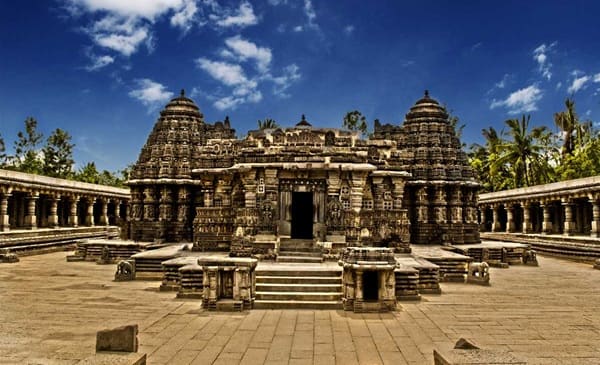
Somanathapura Temple was built in 1258 CE during the reign of the Hoysala King Narasimha III. It was commissioned not by a king, but by a general named Somanatha Dandanayaka, who also founded the town itself.
His vision was to create a centre of worship and culture—a place that would reflect his devotion and creative skill. The temple was part of an agrahara, a gift of land to Brahmins to support education and religious life.
Over the centuries, while many temples fell to time and invasions, the Chennakesava Temple in Somanathapura has survived. Today, it stands proudly as a testament to Hoysala artistry.
For travellers looking to explore this side of Mysore, opting for a car on rent in Mysore can help you enjoy the journey at your own pace while stopping at nearby villages or scenic spots.
What Makes Somanathapura So Special?
Somanathapura Temple is a fine example of clever design and planning. Built in the traditional trikuta layout, it has three shrines that were once home to different forms of Lord Vishnu: Venugopala, Janardhana, and Keshava.
Today, the main idol of Keshava is missing, believed to have been destroyed or stolen during invasions, but the other sanctums and their sculptures remain intact.
The temple stands on a raised, star-shaped platform called the jagati—a signature Hoysala innovation. This design not only elevates the sanctum but also invites devotees and visitors to perform pradakshina (circumambulation) while absorbing the sculpted stories that unfold around them.
Reaching this stunning structure is simple with a taxi service in Mysore, which makes the trip smooth and lets you stop at other hidden attractions along the way.
A Close-Up Look at the Craftsmanship
Once you enter the temple, the artistry around you is breathtaking. Each layer of the horizontal carvings that line the exterior walls tells a distinct story.
- The bottom has rows of elephants, each one different from the next.
- Above them, horses and warriors march across the stones.
- Then come peacocks, vines, and flowers—details inspired by nature.
- At the top, stories from the Ramayana, Mahabharata, and Bhagavata Purana play out like a stone movie.
Inside, the main hall is supported by smooth, hand-turned stone pillars with delicate designs. The ceilings are decorated with intricate lotus flowers and geometrical shapes.
Photographers often marvel at the fact that, despite the passage of over 750 years, the carvings retain their finesse, thanks to the durability of soapstone and the temple’s sheltered layout.
If you enjoy slow travel and want to appreciate every detail, choosing a car on rent in Mysore allows you to avoid the crowds and arrive early.
A Tribute to the Artists
Behind this wonder are the hands of hundreds of unnamed artisans. But there’s one who is remembered—Mallithamma. His name appears carved into a few pieces inside the temple. This kind of recognition was rare at the time, which makes it even more special.
Additionally, there is an old Kannada inscription near the temple’s entrance. It tells us about its donors, the festivals once celebrated here, and the grants that kept the temple alive. These details give us a glimpse into the life of the town centuries ago.
For those who love culture and craftsmanship, booking a taxi service in Mysore makes visiting the temple an easy and comfortable part of a larger cultural trip.
Planning Your Visit
Here’s everything you need to know before visiting Somanathapura Temple:
- Timings: 08:30 AM to 05:30 PM, open daily
- Entry Fee: ₹5 for Indian citizens, ₹100 for foreign nationals; ₹25 for video camera
Please note that there is no entry fee for children below 12 years of age.
Pro Tip: If you want to beat the crowds and enjoy the carvings in golden morning light, plan to reach early in the day.
Wrapping Up
Somanathapura Temple is a living reminder of how faith and creativity can come together to build something lasting. Whether you’re a history lover, an art enthusiast, or simply someone looking for a peaceful day out, this temple offers a deeply satisfying experience.
With Savaari Car Rentals, planning your visit becomes easy. Whether you want to travel alone, with family, or in a group, their chauffeur-driven cars make your trip smooth and enjoyable.
Hello, I’m Kapil Kumar, a seasoned SEO expert and blogger at WinnersList.in. My mission is to spotlight exceptional individuals and organizations across various domains. Through curated lists, profiles, and inspiring stories, I aim to celebrate outstanding achievements and inspire the next generation of champions. Join me in this journey.