
A commercial vehicle earns its keep one trip at a time, and the line between a profitable trip and a loss-making one is often narrower than a freight bill makes it look. What separates the two is mostly what the vehicle spends while it’s on the road, and two costs, fuel and toll, dominate that spending.
For an owner-driver or a fleet operator, managing those two is much of what managing profitability actually means. Everything else, the driver, the maintenance, the financing, rests on a margin that fuel and toll have already largely decided.
Where the margin actually goes on a commercial vehicle
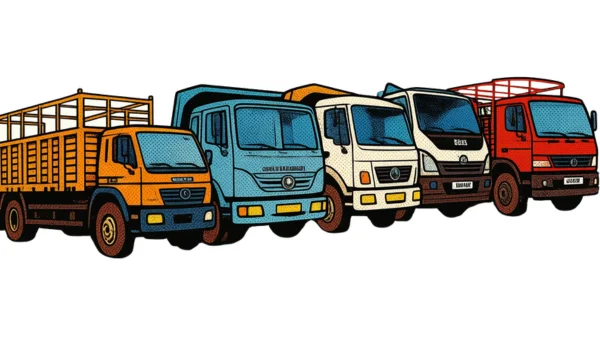
Start with how the economics work. Each trip earns a freight rate or a fare, and out of that come the costs of making the trip happen. Some costs are fixed regardless of how the vehicle is driven, but the largest variable ones, the money that changes with every kilometre and route, are fuel and toll.
That’s why margins in road transport are so sensitive. When the two biggest running costs both move with fuel prices and route choices, the profit on any given trip can swing sharply from one journey to the next. The margin is slim to begin with, and fuel and toll can easily make or break it.
Why is fuel the make-or-break cost?
Fuel is usually the single largest expense of running a commercial vehicle, often the biggest slice of the entire operating cost. That makes it the number an operator watches most closely, since a small change moves the bottom line more than almost anything else.
What makes fuel so decisive is how many things affect it. The diesel price itself, the vehicle’s mileage, the load it carries, how it’s driven, how long it idles, and the route it takes all feed into the fuel bill. A driver who eases off harsh acceleration, or a route that avoids crawling traffic, saves fuel on every trip, and across hundreds of trips a year those savings compound into a serious sum.
How tolls quietly eat into every trip
Tolls are the other cost that scales directly with the journey, and on highway routes they add up fast. A long-haul truck can cross many plazas in a single trip, each one a charge that comes straight off the margin, and for a vehicle on the same route daily, those tolls are a large recurring cost.
A FASTag changes how that cost is managed rather than removing it. By letting the vehicle pass through plazas without stopping for cash, it cuts the waiting time that used to eat into turnaround, so the vehicle spends more of its day earning and less of it queuing. It also records every toll paid, making the expense easy to track and account for across a fleet. The toll bill is still real, but paying it this way turns dead time at the barrier back into productive time on the road.
Does the faster route always pay off?
Not automatically, and this is where fuel and toll pull against each other. A tolled expressway is usually quicker and smoother, which means less fuel burned crawling in traffic and more trips possible in a day, but it charges a toll for the privilege. A toll-free route saves that charge yet often costs more in fuel, time, and wear from slower, rougher going.
The right choice depends on the numbers for that route. If the time saved lets the vehicle fit in more paying trips, or it burns enough less fuel, the toll can pay for itself; if not, the cheaper road wins. Working operators weigh this constantly, since the answer shifts with fuel prices, toll rates, and how much the extra speed is worth in revenue.
The fixed cost sitting underneath it all
Beneath the variable costs sits a fixed one: the money owed on the vehicle itself. Most commercial vehicles are financed, and the EMI on that borrowing has to be paid whether the vehicle runs a full month or sits idle.
That fixed obligation is why controlling fuel and toll matters so much. Vehicle loans turn part of the cost base into a bill that arrives every month regardless of business, so the margin left after fuel and toll is what has to cover it. When those variable costs are kept tight, the EMI is comfortably met and profit follows; when they run high, the same EMI can swallow the margin whole.
How do operators protect their margins?
The levers are the ones that touch fuel, toll, and utilisation. Keeping mileage high through maintenance and disciplined driving protects the biggest cost; planning routes to balance toll against fuel and time protects the next; and cutting empty return trips, where the vehicle burns fuel and pays toll while earning nothing, protects both at once.
Turnaround matters just as much, since a vehicle idle or queuing less completes more trips and spreads its fixed costs, the EMI and insurance, over more journeys. None of these is dramatic on its own, but together they decide whether a vehicle clears its costs with room to spare. In a business run on thin margins, the operators who watch fuel and toll most closely are usually the ones still turning a profit when diesel prices move against everyone.

Hello, I’m Kapil Kumar, a seasoned SEO expert and blogger at WinnersList.in. My mission is to spotlight exceptional individuals and organizations across various domains. Through curated lists, profiles, and inspiring stories, I aim to celebrate outstanding achievements and inspire the next generation of champions. Join me in this journey.