
Assam, the gateway to Northeast India, is not only famous for its tea gardens and mighty Brahmaputra River but also for its rich cultural heritage. The state boasts a vibrant mix of ethnic communities, each preserving its own traditional art forms, music, and dance. Among them, folk and traditional dances of Assam hold a special place, reflecting the spirit, lifestyle, and festive celebrations of its people. These dances are performed during festivals, harvest seasons, marriages, and cultural gatherings, making them an inseparable part of Assamese identity.
Major Traditional and Folk Dances of Assam
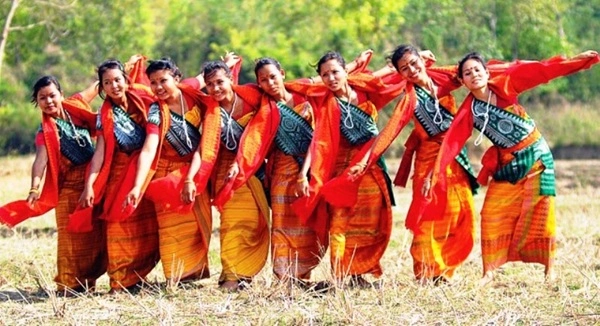
The table below gives a quick overview of Assam’s most prominent dances:
| Dance Name | Type | Region | Short Description |
| Bihu Dance | Folk | All over Assam | The most famous dance of Assam, performed during the Bihu festival, symbolizing joy, fertility, and celebration. |
| Sattriya Dance | Classical | Majuli, Guwahati, and other Satras | A classical dance form introduced by Srimanta Sankardev, performed in monasteries (Satras) with devotional themes. |
| Bagurumba | Folk | Performed by the Bodo community | A graceful butterfly dance showcasing harmony with nature. |
| Bhortal Nritya | Folk | Barpeta and surrounding areas | A group dance using cymbals, performed during religious processions. |
| Ojapali Dance | Folk | Northern Assam | Semi-dramatic dance that narrates mythological stories, blending song, dance, and acting. |
| Deodhani Dance | Folk | Kamrup region | A ritualistic dance performed by women during the worship of snake goddess Manasa. |
| Jhumur Dance | Folk | Tea garden areas of Upper Assam | A community dance of tea tribes performed during festivals and harvest time. |
| Ali Ai Ligang Dance | Folk | Performed by the Mishing tribe | A harvest festival dance performed with drums and flutes. |
| Kushan Nritya | Folk | Goalpara district | A folk theatre-dance form based on the Ramayana. |
| Dhuliya Nritya | Folk | Rural Assam | A drum-based energetic dance performed during marriages and social gatherings. |
Detailed Explanation of Major Dances
1. Bihu Dance – The Heartbeat of Assam
- Origin: Bihu is the most iconic dance of Assam, linked to the agrarian lifestyle of the Assamese people. It is celebrated during Rongali Bihu (April), marking the Assamese New Year and harvest season.
- Cultural Significance: Symbolizes fertility, joy, and community bonding. It is also a medium of courtship among the youth.
- Costumes: Women wear traditional Mekhela Chador in red and yellow with floral motifs, while men wear dhotis and gamochas.
- Musical Instruments: Dhol (drum), pepa (buffalo horn), taal (cymbals), toka, and flute.
- Occasions: Performed during Rongali Bihu, weddings, and cultural festivals.
- Image Suggestion: [Group of young boys and girls performing Bihu in colorful attire during Rongali Bihu festival].
2. Sattriya Dance – The Classical Gem of Assam
- Origin: Introduced in the 15th–16th century by Srimanta Sankardev, the great saint and reformer of Assam. Originally performed in monasteries (Satras).
- Cultural Significance: A classical dance of India, it conveys spiritual and devotional themes, especially stories of Lord Krishna.
- Costumes: Women wear white Pat silk Mekhela-Chador with golden borders, men wear dhotis and anga-vastra.
- Musical Instruments: Khol (drum), taal, flute, violin, harmonium.
- Occasions: Still performed in Satras, temples, cultural programs, and international platforms.
- Image Suggestion: [Sattriya dancers in traditional white and golden attire performing in a temple backdrop].
3. Bagurumba Dance – The Butterfly Dance of Bodo Tribe
- Origin: Performed by the Bodo tribal community, symbolizing their close connection with nature.
- Cultural Significance: The dance mimics the movements of butterflies and birds, depicting natural harmony.
- Costumes: Bodo women wear colorful Dokhna, while men wear simple dhotis with traditional scarves.
- Musical Instruments: Kham (drum), sifung (flute), and jotha.
- Occasions: Festivals like Bwisagu and harvest celebrations.
- Image Suggestion: [Bodo women in vibrant Dokhna performing Bagurumba in open fields].
4. Bhortal Nritya – The Cymbal Dance
- Origin: Popularized by Guru Narahari Burha Bhakat, this dance is performed in large groups.
- Cultural Significance: It is a devotional dance often associated with Vaishnavite traditions.
- Costumes: White dhotis with colorful waistbands, and gamochas.
- Musical Instruments: Cymbals (bhortal), dhol, and khol.
- Occasions: Processions, religious gatherings, and festivals.
- Image Suggestion: [Group of men holding large cymbals while dancing in unison].
5. Ojapali Dance – Storytelling in Motion
- Origin: One of the oldest dance-drama forms of Assam, rooted in mythological storytelling.
- Cultural Significance: Used to narrate episodes from the Mahabharata, Ramayana, and local folklore.
- Costumes: Traditional dhotis, turbans, and angavastras; the Oja (leader) wears distinctive attire.
- Musical Instruments: Cymbals, khol, and harmonium.
- Occasions: Religious functions, cultural festivals.
- Image Suggestion: [Ojapali troupe performing with the lead narrator in front].
6. Deodhani Dance – The Ritual Dance of Assam
- Origin: Associated with snake goddess Manasa Puja, performed in the Kamrup district.
- Cultural Significance: Considered a semi-ritualistic dance involving spiritual possession.
- Costumes: Women wear traditional red-bordered attire with flowers and ornaments.
- Musical Instruments: Dhol, pepa, and khol.
- Occasions: Manasa Puja, temple rituals, and regional festivals.
- Image Suggestion: [Female dancers performing Deodhani in front of a temple].
7. Jhumur Dance – The Tea Garden Dance
- Origin: Performed by the tea-tribes of Assam who migrated during the British colonial period.
- Cultural Significance: Depicts love, unity, and daily life of tea garden workers.
- Costumes: Colorful sarees with tribal jewelry.
- Musical Instruments: Mandar, flute, and madal.
- Occasions: Community gatherings, weddings, harvest festivals.
- Image Suggestion: [Tea garden workers performing Jhumur in colorful sarees].
8. Ali Ai Ligang Dance – The Harvest Celebration
- Origin: Performed by the Mishing tribe of Assam during their Ali Ai Ligang festival.
- Cultural Significance: A dance to honor agricultural practices, fertility, and prosperity.
- Costumes: Traditional Mishing attire with vibrant patterns.
- Musical Instruments: Dhol, gagana (mouth harp), and bamboo flutes.
- Occasions: Celebrated in February–March during Ali Ai Ligang festival.
- Image Suggestion: [Mishing youth performing Ali Ai Ligang in open grounds].
9. Kushan Nritya – Folk Theatre of Assam
- Origin: Popular in the Goalpara district, narrating episodes from the Ramayana.
- Cultural Significance: A blend of drama, music, and dance to entertain and educate.
- Costumes: Mythological attire of Rama, Sita, and Ravana characters.
- Musical Instruments: Harmonium, dhol, cymbals.
- Occasions: Cultural nights and rural fairs.
- Image Suggestion: [Actors dressed as Ramayana characters performing Kushan Nritya].
10. Dhuliya Nritya – The Drum Dance
- Origin: Rural Assam, linked with social festivities.
- Cultural Significance: Highlights the rhythm and energy of Assamese folk culture.
- Costumes: Traditional dhotis and gamochas.
- Musical Instruments: Dhul (drum) and cymbals.
- Occasions: Weddings, fairs, and village gatherings.
- Image Suggestion: [Men playing drums while dancing in rural Assam].
FAQ
Q1: Which is the most famous dance of Assam?
👉 The Bihu dance is the most famous and widely performed dance of Assam, symbolizing joy, harvest, and cultural pride.
Q2: How many folk dances does Assam have?
👉 Assam has over 15 major folk dances, including Bihu, Bagurumba, Deodhani, Bhortal, and Jhumur, along with numerous tribal and community-specific dances.
Q3: Is Sattriya dance a folk dance?
👉 No. Sattriya is a classical dance form, recognized as one of the eight classical dances of India.
Q4: What is the main festival associated with Assamese dance?
👉 The Rongali Bihu festival is the most important occasion, where Bihu dance is performed across the state.
Conclusion
The traditional and folk dances of Assam are more than just performances—they are living expressions of the state’s cultural identity. From the joyous beats of Bihu to the spiritual grace of Sattriya, from the tribal rhythm of Bagurumba to the ritualistic Deodhani, each dance tells a story of Assam’s diverse communities, festivals, and values. Preserved through generations, these dances not only entertain but also keep alive the age-old traditions of the land.
Hello, I’m Kapil Kumar, a seasoned SEO expert and blogger at WinnersList.in. My mission is to spotlight exceptional individuals and organizations across various domains. Through curated lists, profiles, and inspiring stories, I aim to celebrate outstanding achievements and inspire the next generation of champions. Join me in this journey.