
The brain and nervous system coordinate every movement, sensation, and decision that defines daily life. Even minor disruptions in nerve signalling can significantly affect mobility, balance, memory, and overall physical independence. Therefore, maintaining neurological and musculoskeletal health requires a structured, multidisciplinary medical approach.
In many neurological conditions, nerve dysfunction directly influences the spine, joints, and muscles. Consequently, collaboration among neurologists, spine specialists, and the best neurologists in Bangalore is essential for accurate diagnosis and effective treatment planning.
Hospitals with neurological expertise often provide more comprehensive care for patients with complex nerve-related disorders.
Understanding why brain and nerve health matters helps patients seek timely medical intervention and prevent long-term complications.
Understanding the Brain–Nerve–Musculoskeletal Connection
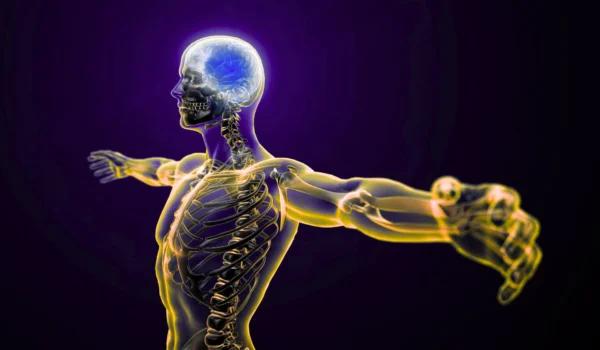
The nervous system consists of the brain, spinal cord, and peripheral nerves. These structures communicate continuously to control voluntary movement, reflexes, and sensory perception.
When nerve signals travel efficiently, muscles contract normally and joints maintain stable movement patterns. However, nerve compression, inflammation, or degeneration can disrupt this communication.
Common neurological conditions affecting musculoskeletal health include:
- Cervical and lumbar nerve compression
- Peripheral neuropathy
- Sciatica
- Spinal cord injury
- Degenerative spine disorders
In such conditions, symptoms often present as back pain, limb weakness, numbness, or coordination difficulties. Therefore, evaluation often involves collaboration with experienced neurologists in Bangalore, especially when nerve compression arises from spinal abnormalities.
Early Warning Signs of Nerve and Brain Dysfunction
Neurological disorders rarely appear suddenly. Instead, subtle symptoms may develop gradually and worsen without timely medical attention.
Patients should seek medical evaluation if the following symptoms persist:
Persistent numbness or tingling
Nerve compression in the spine often causes tingling sensations in the arms, hands, legs, or feet. Additionally, prolonged nerve pressure may lead to progressive sensory loss.
Muscle weakness
Weakness in the limbs may indicate nerve damage affecting motor signals between the brain and muscles.
Chronic neck or back pain
Pain that radiates along nerve pathways often suggests involvement of a spinal nerve. Therefore, consultation with the best neurologists in Bangalore becomes necessary to evaluate structural spine problems.
Loss of balance or coordination
The brain and spinal cord regulate body coordination. Consequently, disturbances may signal neurological disorders requiring specialised care.
Difficulty performing routine movements
Activities such as walking, lifting objects, or maintaining posture may become challenging when nerve pathways malfunction.
Early recognition of these symptoms allows healthcare teams to initiate diagnostic testing before permanent nerve damage occurs.
The Role of Advanced Diagnostics in Neurological Care
Accurate diagnosis forms the foundation of effective neurological treatment.
Common diagnostic tools include:
Magnetic Resonance Imaging (MRI)
MRI scans provide detailed visualisation of the brain, spinal cord, and surrounding structures. These images help identify nerve compression, tumours, or degenerative spine conditions.
Nerve Conduction Studies (NCS)
NCS tests measure how quickly electrical signals travel through peripheral nerves. Therefore, physicians can detect nerve damage and assess its severity.
Electromyography (EMG)
EMG evaluates muscle response to nerve stimulation. This test helps differentiate nerve disorders from primary muscle diseases.
CT imaging and spinal evaluation
Structural abnormalities in the vertebrae often contribute to nerve compression. Hence, spine specialists and the best neurologists in Bangalore analyse these findings to determine appropriate treatment strategies.
Treatment Approaches for Brain and Nerve Health
Treatment strategies depend on the underlying cause of neurological dysfunction. However, most treatment plans involve multidisciplinary collaboration among neurologists, spine surgeons, physiotherapists, and neurologists in Bangalore.
Non-surgical management
Many nerve-related conditions respond effectively to conservative therapies. These may include:
- Targeted physiotherapy
- Anti-inflammatory medications
- Neuropathic pain management
- Lifestyle and posture modifications
Rehabilitation programmes aim to restore nerve function while improving muscle strength and joint mobility.
Interventional pain procedures
For persistent nerve pain, physicians may recommend targeted injections around the affected nerve roots. These procedures reduce inflammation and provide relief from symptoms.
Minimally invasive spine surgery
When conservative treatment fails, surgical intervention may become necessary. Modern minimally invasive techniques allow surgeons to decompress nerves while preserving surrounding tissues.
Centres considered the Best Neuro Hospitals in Bangalore often perform advanced spine procedures using high-precision imaging and navigation systems.
Rehabilitation and long-term monitoring
Neurological recovery requires structured rehabilitation. Physiotherapists and rehabilitation specialists design programmes that gradually restore movement, balance, and coordination.
Preventive Strategies for Long-Term Brain and Nerve Health
Preventing neurological disorders requires consistent lifestyle habits that support both brain function and musculoskeletal stability.
Important preventive measures include:
Maintaining spinal health
Proper posture reduces strain on spinal nerves. Ergonomic workplace setups, therefore, play an important role in preventing nerve compression.
Regular physical activity
Exercise improves blood circulation to the brain and peripheral nerves. Additionally, strong muscles protect the spine from degenerative stress.
Balanced nutrition
Nutrients such as vitamin B12, omega-3 fatty acids, and antioxidants support nerve regeneration and brain health.
Managing chronic conditions
Diabetes, hypertension, and metabolic disorders frequently contribute to nerve damage. Regular monitoring, therefore, reduces the risk of neuropathy.
Timely medical consultation
Persistent neurological symptoms should never be ignored. Early evaluation by experienced neurologists in Bangalore helps prevent complications and long-term disability.
Conclusion
The brain and nervous system form the foundation of every movement, sensation, and cognitive function. Even minor disturbances in nerve signalling can significantly affect physical independence and quality of life.
Therefore, early diagnosis, advanced imaging, and coordinated treatment play a critical role in protecting neurological and musculoskeletal health. Multidisciplinary collaboration between neurologists, rehabilitation specialists, and best neurologists in Bangalore ensures that patients receive comprehensive, evidence-based care.
Healthcare institutions recognised as the Best Neuro Hospital in Bangalore often provide integrated neurological services under a single, coordinated treatment framework. This structured approach improves diagnostic accuracy, supports safer treatment decisions, and promotes long-term recovery for patients with complex nerve and spine disorders.
Protecting brain and nerve health is, therefore, not merely a neurological priority; it is a fundamental component of maintaining lifelong mobility, independence, and overall well-being.

Hello, I’m Kapil Kumar, a seasoned SEO expert and blogger at WinnersList.in. My mission is to spotlight exceptional individuals and organizations across various domains. Through curated lists, profiles, and inspiring stories, I aim to celebrate outstanding achievements and inspire the next generation of champions. Join me in this journey.