
Andhra Pradesh, often known as the “Rice Bowl of India,” is not only famous for its agricultural richness but also for its vibrant cultural heritage. From ancient temples to fine arts, from Kuchipudi dance dramas to energetic tribal performances, Andhra Pradesh has been a hub of tradition and creativity. The state’s dances are deeply rooted in mythology, religious devotion, agrarian lifestyle, and tribal customs. Each performance narrates stories of gods, folklore, historical events, and everyday life, making them a living representation of Andhra’s cultural identity.
Among these, Kuchipudi stands as the most celebrated classical dance, while folk forms like Veeranatyam, Kolatam, and Lambadi dance add to the state’s cultural charm. Let’s explore the major traditional and folk dances of Andhra Pradesh in detail.
List of Major Dances of Andhra Pradesh
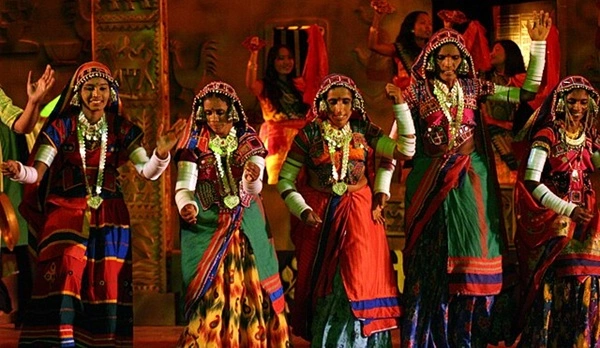
| Dance | Type | Region | Short Description |
| Kuchipudi | Classical | Krishna District | A devotional dance-drama dedicated to Lord Krishna, blending grace and storytelling. |
| Veeranatyam | Folk/Religious | Rayalaseema | A vigorous ritual dance performed in Shiva temples, symbolizing Lord Veerabhadra’s fury. |
| Kolatam | Folk | Coastal Andhra | A stick dance performed during festivals, similar to Garba/Dandiya of Gujarat. |
| Lambadi Dance | Tribal/Folk | Telangana & Andhra | Performed by the Banjara community, depicting daily life, agriculture, and celebrations. |
| Dappu Dance | Folk | Rayalaseema & Telangana | A rhythmic dance using the ‘Dappu’ drum, often performed in social gatherings. |
| Butta Bommalu | Folk | Coastal Andhra | Dance with basket masks (“Butta”) portraying humorous characters. |
| Tappeta Gullu | Folk/Religious | Srikakulam & Vizianagaram | Performed with drums and acrobatics during village festivals. |
| Dhimsa Dance | Tribal | Araku Valley | Tribal women’s dance celebrating nature, love, and community bonding. |
Detailed Explanation of Major Dances
1. Kuchipudi – The Pride of Andhra Pradesh
- Origin: Traced back to the 17th century in the village of Kuchipudi in Krishna district, it was developed as a devotional dance dedicated to Lord Krishna.
- Cultural Significance: Recognized as one of the eight classical dances of India, it combines graceful movements, storytelling, and dramatic expression. Initially performed only by men, it is now popular among both men and women worldwide.
- Costumes: Bright silk sarees for women with traditional jewelry; men wear dhotis and light ornaments. Both use expressive makeup.
- Musical Instruments: Mridangam, violin, flute, and cymbals.
- Occasions: Religious festivals like Krishna Janmashtami, cultural programs, and national/international stages.
- Image Suggestion: A Kuchipudi dancer in elegant costume with dramatic hand gestures (mudras).
2. Veeranatyam – The Dance of Warriors
- Origin: Associated with Lord Veerabhadra, who emerged from Shiva’s anger during Daksha’s Yagna.
- Cultural Significance: Symbolizes valor, destruction of evil, and devotion to Shiva. Performed mainly by male dancers in Rayalaseema.
- Costumes: Red dhotis, ash markings, and sometimes flaming torches in hands.
- Musical Instruments: Drums and conch shells dominate the rhythm.
- Occasions: Performed in Shiva temples during Maha Shivaratri and village fairs.
- Image Suggestion: Male performers with tridents and fire torches dancing in a Shiva temple courtyard.
3. Kolatam – The Dance of Sticks
- Origin: A traditional rural dance, often called the “stick dance,” comparable to Gujarat’s Dandiya Raas.
- Cultural Significance: A community bonding dance performed by men and women in circles, striking sticks in rhythmic beats.
- Costumes: Bright sarees or dhotis with flower garlands.
- Musical Instruments: Flute, drum, and folk singing.
- Occasions: Dussehra, Sankranti, village fairs.
- Image Suggestion: Groups of men and women dancing in circles with decorated sticks.
4. Lambadi Dance – The Nomadic Celebration
- Origin: Performed by the Lambadi (Banjara) tribal community, reflecting their nomadic and agricultural lifestyle.
- Cultural Significance: Depicts planting, harvesting, daily chores, and festive moments, highlighting women’s role in society.
- Costumes: Colorful embroidered skirts, heavy jewelry, and head veils.
- Musical Instruments: Dhol, nagara, and hand claps.
- Occasions: Community gatherings, fairs, weddings.
- Image Suggestion: Women in heavily embroidered dresses performing in open fields.
5. Dappu Dance – The Drum Dance
- Origin: Named after the “Dappu” drum, this dance is a hallmark of Rayalaseema and Telangana culture.
- Cultural Significance: Reflects energy, community spirit, and celebrations in villages.
- Costumes: Simple traditional dhotis for men and sarees for women.
- Musical Instruments: Dappu drum is the centerpiece.
- Occasions: Festivals like Ugadi, Sankranti, and public processions.
- Image Suggestion: Performers energetically beating large drums in open grounds.
6. Butta Bommalu – Dance of Basket Masks
- Origin: “Butta” means basket; performers wear large painted baskets as masks.
- Cultural Significance: Used to create comic and entertaining performances that bring laughter to communities.
- Costumes: Basket masks with painted faces, traditional attire.
- Musical Instruments: Folk drums and singing.
- Occasions: Village festivals, community celebrations.
- Image Suggestion: Dancers with oversized basket masks in a colorful fair setting.
7. Tappeta Gullu – Devotional Drum Dance
- Origin: Popular in Srikakulam and Vizianagaram, rooted in temple traditions.
- Cultural Significance: A devotional dance seeking blessings of deities, performed with acrobatic moves.
- Costumes: Bright attire, often with religious symbols painted on the body.
- Musical Instruments: Large drums carried on shoulders.
- Occasions: Performed during temple festivals and processions.
- Image Suggestion: Group of men carrying drums on shoulders and dancing in processions.
8. Dhimsa Dance – Tribal Harmony
- Origin: Belongs to tribal women of Araku Valley in Eastern Ghats.
- Cultural Significance: A communal dance of love, nature, and unity, where women form chains and sway gracefully.
- Costumes: Tribal sarees, bead jewelry, flowers in hair.
- Musical Instruments: Tribal drums and flute.
- Occasions: Weddings, harvest season, tribal fairs.
- Image Suggestion: Tribal women holding hands and dancing in green valleys.
FAQs
Q1. Which is the most famous dance of Andhra Pradesh?
👉 The most famous dance is Kuchipudi, a classical dance recognized worldwide for its elegance and storytelling.
Q2. How many folk dances does Andhra Pradesh have?
👉 Andhra Pradesh is home to over 15 traditional and folk dances, including Kolatam, Veeranatyam, Lambadi, Dappu, and Dhimsa.
Q3. What is the difference between Kuchipudi and Kolatam?
👉 Kuchipudi is a classical dance-drama rooted in devotion, while Kolatam is a folk stick dance performed during festivals.
Q4. Are tribal dances still performed in Andhra Pradesh?
👉 Yes, tribal dances like Dhimsa and Lambadi are still actively performed, especially in rural and hilly regions.
Conclusion
The traditional and folk dances of Andhra Pradesh are not just artistic expressions but also living traditions that narrate stories of devotion, valor, agriculture, and community spirit. From the refined classical charm of Kuchipudi to the rustic vibrancy of Kolatam and Dhimsa, these dances celebrate the unity of the people and the richness of the land.
They reflect the cultural identity of Andhra Pradesh, ensuring that the heritage of the past continues to inspire future generations. In every beat of the drum, in every graceful step, lies the timeless story of Andhra’s tradition.
Hello, I’m Kapil Kumar, a seasoned SEO expert and blogger at WinnersList.in. My mission is to spotlight exceptional individuals and organizations across various domains. Through curated lists, profiles, and inspiring stories, I aim to celebrate outstanding achievements and inspire the next generation of champions. Join me in this journey.