
Jammu and Kashmir, the northernmost region of India, is renowned for its breathtaking landscapes, rich history, and diverse cultural heritage. The state’s folk dances reflect the lifestyle, traditions, and religious practices of its varied communities. From the valleys of Kashmir to the plains of Jammu, each region contributes unique dances that celebrate festivals, harvests, and social rituals.
These dances are not only entertaining but also symbolic, narrating stories of heroism, devotion, and daily life. They are performed in groups, often accompanied by traditional music, vibrant costumes, and rhythmic movements that reflect the artistic and spiritual essence of the region.
Major Traditional and Folk Dances of Jammu and Kashmir
| Dance Name | Type | Region / Community | Short Description |
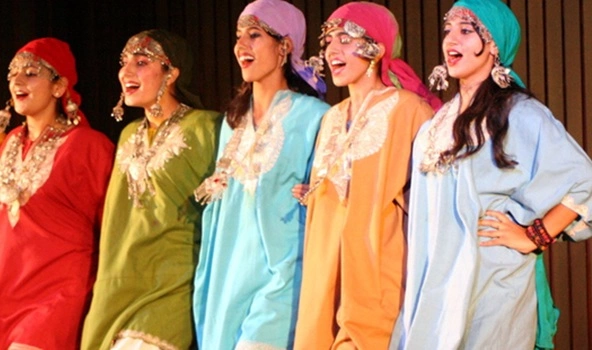
| Rouf | Folk | Kashmir Valley | Women’s group dance performed during festivals and social events with synchronized steps. |
| Dumhal | Folk | Chenab Valley (Tribes) | Performed by men wearing long robes and conical hats, often in a circle; ritualistic dance. |
| Bhand Pather | Folk-Theatrical | Kashmir | Traditional folk theatre with dance, drama, and satire narrating mythological or social stories. |
| Chakri | Folk | Kashmir | Performed during weddings and festivals; involves singing, clapping, and rhythmic foot movements. |
| Kud Dance | Folk | Jammu | Performed by Dogra youth; martial dance expressing valor and strength. |
| Khatak Dance | Folk | Jammu | Circular dance performed by men and women during social gatherings and celebrations. |
| Rouf-Ladish | Folk | Kashmir | Variation of Rouf with rhythmic hand and foot movements, performed by women during Eid and Navroz. |
| Bafroti | Folk | Pir Panjal | Performed during harvest and festivals, featuring women in colorful attire dancing in a circle. |
| Haenz Dance | Folk | Kargil and Ladakh | Traditional Ladakhi dance performed during festivals like Losar with masks and ceremonial props. |
| Brogath Dance | Folk | Ladakh | Masked ritual dance performed in monasteries during religious festivals. |
Detailed Explanation of Major Dances
1. Rouf – Synchronized Women’s Dance
- Origin: Traditional to the Kashmir Valley, performed by women.
- Cultural Significance: Celebrates festivals, weddings, and social gatherings; strengthens community bonding.
- Costumes: Women wear phiran (long gowns), traditional jewelry, and headscarves.
- Musical Instruments: Dhol, daf, and folk singing.
- Occasions: Eid, Navroz, weddings, and local festivals.
- Image Suggestion: Women dancing in synchronized circular formation in traditional phirans.
2. Dumhal – Ritualistic Circle Dance by Men
- Origin: Performed by tribes of Chenab Valley in Jammu region.
- Cultural Significance: A ritualistic dance to honor deities or mark significant occasions; symbolizes valor and devotion.
- Costumes: Long robes, conical hats with colorful decorations, and ceremonial belts.
- Musical Instruments: Drums, flutes, and cymbals.
- Occasions: Festivals, village rituals, and community gatherings.
- Image Suggestion: Men performing Dumhal in colorful ceremonial robes.
3. Bhand Pather – Folk-Theatrical Dance-Drama
- Origin: Kashmir Valley, centuries-old tradition.
- Cultural Significance: Combines dance, drama, and satire, often narrating mythological tales or social commentary.
- Costumes: Bright costumes with masks for specific characters; props like swords or sticks.
- Musical Instruments: Drums, daf, flutes, and cymbals.
- Occasions: Festivals, village fairs, and cultural events.
- Image Suggestion: Performers acting and dancing in outdoor village settings.
4. Chakri – Folk Dance with Singing and Clapping
- Origin: Kashmir Valley, traditional social dance.
- Cultural Significance: Performed during weddings, local fairs, and festivals to entertain and bring communities together.
- Costumes: Women in phirans; men in traditional attire with turbans.
- Musical Instruments: Dhol, daf, and folk singing.
- Occasions: Weddings, Eid, Navroz, and festivals.
- Image Suggestion: Men and women clapping and dancing in small circles.
5. Kud Dance – Martial Expression
- Origin: Jammu region, Dogra youth tradition.
- Cultural Significance: Symbolizes valor, courage, and warrior spirit; performed to display strength.
- Costumes: Traditional Dogra attire with turbans, waistcoats, and ornamental belts.
- Musical Instruments: Drums, cymbals, and flutes.
- Occasions: Weddings, harvest celebrations, and festivals.
- Image Suggestion: Young men performing vigorous martial steps in open courtyards.
6. Khatak Dance – Social Circular Dance
- Origin: Jammu region, influenced by Dogra folk culture.
- Cultural Significance: Performed during festivals and community celebrations; promotes social bonding.
- Costumes: Men in dhotis and waistcoats; women in colorful traditional dresses.
- Musical Instruments: Drums, cymbals, and folk singing.
- Occasions: Village festivals, weddings, and fairs.
- Image Suggestion: Men and women dancing in a circular formation holding hands.
7. Rouf-Ladish – Eid and Navroz Special
- Origin: Kashmir Valley, a variation of Rouf.
- Cultural Significance: Celebrates festivals like Eid and Navroz; performed exclusively by women in synchrony.
- Costumes: Colorful phirans with embroidered borders and jewelry.
- Musical Instruments: Daf, dhol, and folk singing.
- Occasions: Eid, Navroz, and social gatherings.
- Image Suggestion: Women dancing in decorated phirans during festivals.
8. Bafroti – Harvest and Festival Dance
- Origin: Pir Panjal region.
- Cultural Significance: Performed to celebrate harvests and seasonal festivals, promoting community bonding.
- Costumes: Bright traditional dresses for women with floral or bead ornaments.
- Musical Instruments: Drums, cymbals, and flutes.
- Occasions: Harvest festivals and village fairs.
- Image Suggestion: Women dancing in a circle in colorful attire during harvest celebrations.
9. Haenz Dance – Ladakhi Festival Dance
- Origin: Kargil and Ladakh regions.
- Cultural Significance: Performed to celebrate festivals like Losar, reflecting Ladakhi spirituality and community cohesion.
- Costumes: Traditional Ladakhi robes, masks, and ceremonial headgear.
- Musical Instruments: Drums, cymbals, and horns.
- Occasions: Losar, religious festivals, and monastery celebrations.
- Image Suggestion: Masked performers dancing during Losar festival in monasteries.
10. Brogath Dance – Masked Ritual Dance
- Origin: Ladakh, monasteries of Leh and Kargil.
- Cultural Significance: Ritualistic dance to ward off evil spirits and honor deities; performed by monks.
- Costumes: Elaborate masks, ceremonial robes, and traditional headgear.
- Musical Instruments: Drums, cymbals, and conch shells.
- Occasions: Monastery festivals and religious ceremonies.
- Image Suggestion: Monks performing masked dances inside monasteries.
FAQs
Q1. Which is the most famous dance of Jammu and Kashmir?
👉 The Rouf dance of the Kashmir Valley is the most famous, celebrated for its rhythmic synchronized movements and cultural significance.
Q2. How many folk dances does Jammu and Kashmir have?
👉 Jammu and Kashmir has over 10 major traditional and folk dances, reflecting the diversity of its regions and communities.
Q3. Are these dances performed by men or women?
👉 Dances like Rouf, Chakri, and Rouf-Ladish are mainly women-centric, while Dumhal, Kud, and Khatak are primarily performed by men.
Q4. Which dances are linked to festivals?
👉 Rouf, Rouf-Ladish, Bafroti, Haenz, and Brogath are performed during religious or seasonal festivals.
Conclusion
The folk and traditional dances of Jammu and Kashmir are a vibrant reflection of the state’s regional diversity, religious traditions, and communal life. From the graceful Rouf of women in Kashmir to the martial Kud dance of Jammu, and the ritualistic Brogath and Haenz dances of Ladakh, each performance narrates stories of heritage, devotion, and daily life.
These dances not only preserve cultural identity but also foster social cohesion, connecting generations through music, rhythm, and celebration. The colorful costumes, ceremonial props, and expressive movements together embody the artistic, spiritual, and communal essence of Jammu and Kashmir, making its folk dances a living treasure of India.
Hello, I’m Kapil Kumar, a seasoned SEO expert and blogger at WinnersList.in. My mission is to spotlight exceptional individuals and organizations across various domains. Through curated lists, profiles, and inspiring stories, I aim to celebrate outstanding achievements and inspire the next generation of champions. Join me in this journey.