
Silver has always lived in gold’s shadow in the Indian investor’s mind. But 2026 has changed that conversation. The white metal touched an all-time high of over ₹4,00,000 per kilogram on the MCX earlier this year before correcting sharply. In January 2026, spot silver hit a record of nearly $121.64 per ounce, and then dropped over 40% to approximately $ 73.02 per ounce by early April.
To Indian investors who are interested in buying silver today, the question is whether the present price is a buying opportunity or a falling knife. Let’s explore this in detail.
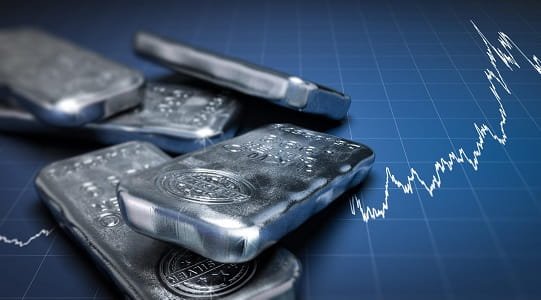
Why did Silver Prices surge?
The remarkable run in silver price in late 2025 and early 2026 was not accidental. It was propelled by two distinct forces working simultaneously: industrial demand and safe-haven buying.
As silver is no longer only a precious metal, but also a vital industrial metal to solar panels, electric vehicles, 5G infrastructure, and AI-driven data centres, all of which are expanding at an unprecedented rate, the current silver supply cannot keep up, which has led to a rapid surge in silver prices.
In conjunction with this, geopolitical tensions in West Asia drove investors to safe-haven assets, further boosting the silver rally. In the first two months of 2026, China imported 206.76 tonnes of silver, the highest in eight years, which constrained the global supply and increased the prices.
Why did silver prices correct after the rally?
The January highs of silver prices had a steep correction. Silver was struck by three forces all at once, which included the CME Group’s increased margin requirements on silver futures, compelling leveraged traders to sell; the US dollar strengthened sharply as the Federal Reserve indicated it would not reduce rates in the near future; and a natural correction occurred as a result of profit-taking following the unprecedented 147% rise in silver in 2025.
However, the structural supply deficit remains, with the high demand for silver from the green energy and electronics industry. The correction had only restored silver from irrational exuberance to a more considered price level.
What are the silver rates today in India?
As of April 2026, silver rates today are priced at approximately ₹2,60,000 per kilogram in the Indian market. To Indian investors, there is an additional layer of charges to global spot prices due to the conversion of global spot prices into Indian rupees based on the current USD-INR exchange rate, and then the import duty and 3% GST.
Silver rates in different cities of India slightly differ from each other due to transportation, logistics, local jeweller’s premium, etc., like the silver rates in Delhi today would be different from silver rates in Chennai.
Should investors buy silver now?
There is never a right time to enter into any asset, and whether to invest in silver today or not is a question of an individual investor’s investment horizon and risk tolerance. In 2026, silver is not a quick way to become wealthy. It is a long-term, high-volatility commodity with structural factors supporting silver prices.
However, the current volatility in silver prices is a real threat as silver prices decline more sharply than gold when geopolitical tensions are reduced. Thus, to protect their investment, Indian investors should employ staggered buying, which involves buying small quantities instead of large ones. Therefore, in case the silver prices fall further, they will be able to purchase more to balance the purchasing power.
Conclusion
Silver’s story in 2026 is of structural demand, high volatility, and a correction that has made silver the centre of attraction. The shortage of silver supply is a real issue. Additionally, the industrial demand is also not going away. Therefore, the current silver prices present an attractive buying opportunity in silver, but with caution.
Thus, if investors are thinking of adding silver to their portfolio, it would be more prudent to buy in small quantities over the next few months than to wait until it hits bottom prices, which is hard to call.

Hello, I’m Kapil Kumar, a seasoned SEO expert and blogger at WinnersList.in. My mission is to spotlight exceptional individuals and organizations across various domains. Through curated lists, profiles, and inspiring stories, I aim to celebrate outstanding achievements and inspire the next generation of champions. Join me in this journey.