
India is a paradise for food lovers. From spicy chaat on busy streets to comforting homemade dal-chawal, the country offers an incredible variety of flavors. But when it comes to health, a common question arises: Is street food healthier than home-cooked food, or vice versa?
The answer isn’t as simple as choosing one over the other. Both have their pros and cons depending on hygiene, ingredients, cooking methods, and frequency of consumption. In this detailed guide, we’ll break down every important aspect to help you make smarter food choices.
🍛 Understanding Street Food in India
Street food is deeply rooted in Indian culture. Every city has its signature dishes:
- Delhi: chaat, golgappa, chole bhature
- Mumbai: vada pav, pav bhaji
- Kolkata: puchka, kathi rolls
- Lucknow: kebabs
Street food is popular because it is:
- Affordable
- Easily available
- Full of bold flavors
But health-wise, it’s a mixed bag.
🏠 What is Home-Cooked Food?
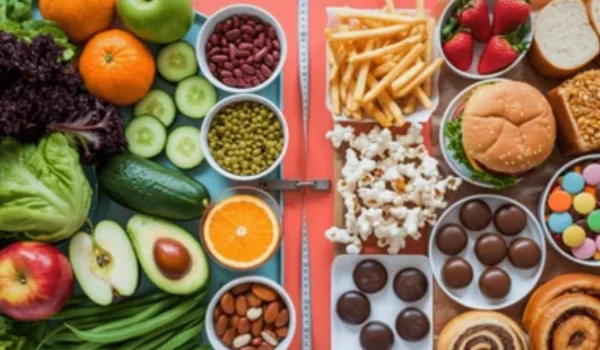
Home food typically includes meals prepared in your kitchen using fresh ingredients. Common Indian meals include:
- Roti + sabzi
- Dal + rice
- Khichdi
- Idli, dosa, upma
Home cooking gives you control over:
- Ingredients
- Oil quantity
- Hygiene
- Portion size
⚖️ Nutritional Comparison
- Ingredients Quality
Street Food:
- Often uses refined flour (maida), reused oil, artificial colors
- Low-quality ingredients may be used to cut costs
Home Food:
- Fresh vegetables, whole grains, and quality oils
- Less preservatives and additives
👉 Winner: Home Food
- Oil & Fat Content
Street Food:
- High oil usage
- Deep-fried items are common
- Oil may be reused multiple times (harmful trans fats)
Home Food:
- Controlled oil usage
- Healthier cooking methods like boiling, steaming
👉 Winner: Home Food
- Hygiene & Safety
Street Food:
- Exposure to dust, pollution, flies
- Water quality may be questionable
- Risk of food contamination
Home Food:
- Clean kitchen environment
- Safe drinking water
- Better food handling
👉 Winner: Home Food
- Nutritional Balance
Street Food:
- High in carbs, fats, and salt
- Low in fiber and protein
Home Food:
- Balanced meals (carbs + protein + fiber)
- Customizable as per dietary needs
👉 Winner: Home Food
❤️ Health Impact: Short-Term vs Long-Term
Street Food (Frequent Consumption)
Short-term risks:
- Food poisoning
- Acidity, bloating
- Stomach infections
Long-term risks:
- Weight gain
- High cholesterol
- Diabetes and heart issues
Home Food (Regular Consumption)
Short-term benefits:
- Better digestion
- Stable energy levels
Long-term benefits:
- Healthy weight
- Reduced disease risk
- Better immunity
💸 Cost Comparison
Street Food:
- Cheap per meal
- But frequent consumption adds up
Home Food:
- More economical in long run
- Better value for nutrition
👉 Home food is more cost-effective for daily eating.
🧠 Psychological & Lifestyle Factors
Why People Prefer Street Food
- Convenience (no cooking required)
- Taste and variety
- Social experience
Why Home Food Wins for Health
- Portion control
- Emotional comfort
- Long-term sustainability
🟡 Is All Street Food Unhealthy?
Not necessarily. Some street foods can be relatively healthier if prepared properly.
Better Street Food Choices
- Idli, dosa (less oil)
- Roasted corn (bhutta)
- Chana chaat
- Egg rolls (less mayo)
Unhealthy Street Food to Limit
- Deep-fried snacks (samosa, kachori)
- Creamy gravies
- Sugary drinks
👉 Smart choices can reduce health risks.
🔍 Hidden Dangers of Street Food
- Reused oil → harmful chemicals
- Excess salt → high BP risk
- Contaminated water → infections
- Artificial colors → long-term toxicity
These are often invisible but impactful.
🏡 Can Home Food Be Unhealthy Too?
Yes, if not prepared wisely.
Common Mistakes in Home Cooking
- Excess oil or ghee
- Overcooking vegetables
- High sugar intake
- Lack of variety
👉 Healthy cooking habits are essential.
🥗 How to Make Home Food Healthier
- Use less oil (2–3 tsp/day)
- Include seasonal vegetables
- Add protein (dal, eggs, paneer)
- Prefer whole grains over refined flour
- Avoid excessive frying
⚖️ Final Verdict: Which is Healthier?
👉 Home food is clearly healthier for daily consumption.
But that doesn’t mean you must completely avoid street food.
Best Approach:
- 80–90% Home Food
- 10–20% Street Food (Occasionally)
This balance allows you to enjoy taste without harming your health.
🧾 Practical Tips for Smart Eating
- Eat home-cooked meals most of the week
- Choose clean and popular street vendors
- Avoid eating street food during extreme heat or monsoon
- Carry water to avoid unsafe drinks
- Don’t mix too many street items in one meal
👨👩👧 Who Should Avoid Street Food More?
- Children
- Elderly people
- Pregnant women
- People with weak immunity or digestive issues
🌟 Final Thoughts
Street food is an inseparable part of Indian culture—it brings joy, flavor, and community. However, when it comes to health, home-cooked food is the clear winner due to better hygiene, nutrition, and control over ingredients.
The smartest strategy is not extreme restriction but balanced eating. Enjoy your favorite street food occasionally, but make home food your daily foundation.

Hello, I’m Kapil Kumar, a seasoned SEO expert and blogger at WinnersList.in. My mission is to spotlight exceptional individuals and organizations across various domains. Through curated lists, profiles, and inspiring stories, I aim to celebrate outstanding achievements and inspire the next generation of champions. Join me in this journey.