
Eating healthy doesn’t have to be expensive—especially in India, where traditional foods are naturally nutritious, affordable, and easy to prepare. With the right planning, you can build a balanced daily diet under ₹100 without compromising on taste or nutrition. This guide breaks down practical meal ideas, cost-effective food choices, and a complete daily diet plan that suits students, working professionals, and budget-conscious families.
Why Affordable Healthy Eating is Possible in India
India’s food culture is built around seasonal vegetables, whole grains, pulses, and spices—all of which are highly nutritious and relatively inexpensive. Unlike processed foods, home-cooked Indian meals provide:
- Complex carbohydrates (roti, rice)
- Plant-based protein (dal, chana, rajma)
- Fiber (vegetables, fruits)
- Healthy fats (mustard oil, peanuts)
By focusing on local and seasonal ingredients, you can reduce costs significantly.
Basic Principles of a ₹100 Daily Diet
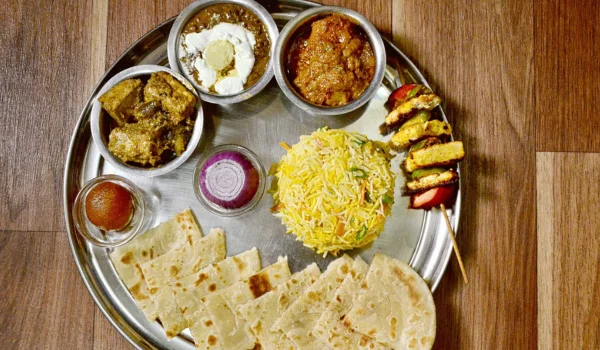
To maintain both affordability and nutrition, follow these key principles:
- Choose Seasonal & Local Produce
Seasonal vegetables like लौकी (bottle gourd), आलू (potato), प्याज (onion), and गोभी (cauliflower) are cheaper and fresher.
- Prioritize Plant-Based Protein
Dal, chana, moong, and soy chunks are far cheaper than meat and still provide excellent protein.
- Cook at Home
Eating outside quickly exceeds ₹100 per meal. Home cooking allows full control over cost and nutrition.
- Buy in Bulk
Staples like rice, wheat flour, and pulses are cheaper when purchased in bulk.
- Avoid Packaged Foods
Chips, biscuits, and instant meals increase costs and offer little nutrition.
Approximate Daily Budget Breakdown (₹100)
- Breakfast: ₹15–₹25
- Lunch: ₹35–₹40
- Dinner: ₹30–₹35
- Snacks: ₹10–₹15
Complete Daily Diet Plan Under ₹100
🌅 Morning (Breakfast) – ₹20
Option 1: Poha with Peanuts
- Ingredients: Poha, peanuts, onion, turmeric, mustard seeds
- Cost: ~₹15–₹20
- Benefits: Light, filling, and provides carbs + healthy fats
Option 2: Vegetable Upma
- Ingredients: Suji, carrots, beans, onions
- Cost: ~₹20
- Benefits: Easy to digest and energy-boosting
Option 3: 2 Boiled Eggs + Banana (Optional Non-Veg)
- Cost: ~₹20–₹25
- Benefits: High protein + potassium
Option 4: Paratha + Curd
- Cost: ~₹20
- Benefits: Balanced carbs + probiotics
👉 Tip: Drink water or homemade chai instead of packaged drinks.
☀️ Mid-Morning Snack – ₹10
- 1 Banana or 1 Guava
- Roasted chana (cheap and protein-rich)
👉 Keeps you full and prevents overeating at lunch.
🍛 Lunch – ₹35–₹40
Option 1: Dal + Rice + Salad
- Ingredients: Arhar/moong dal, rice, cucumber/onion
- Cost: ~₹35
- Benefits: Complete protein when combined
Option 2: 2–3 Roti + Sabzi + Dal
- Sabzi: Aloo gobi / lauki / mix veg
- Cost: ~₹40
- Benefits: Balanced fiber + carbs + protein
Option 3: Rajma/Chole + Rice (Weekly Special)
- Cost: ~₹40
- Benefits: High protein, very filling
👉 Tip: Use minimal oil (1–2 tsp per meal) to stay healthy.
☕ Evening Snack – ₹10–₹15
- Roasted peanuts
- Sprouts chaat (moong sprouts, onion, lemon)
- Homemade tea + 2 biscuits
👉 Avoid fried snacks like samosa or pakoda daily—they increase cost and calories.
🌙 Dinner – ₹30–₹35
Option 1: Khichdi (Rice + Dal)
- Cost: ~₹30
- Benefits: Light, nutritious, easy to digest
Option 2: 2 Roti + Seasonal Sabzi
- Cost: ~₹30–₹35
- Benefits: Simple and filling
Option 3: Vegetable Daliya
- Cost: ~₹30
- Benefits: High fiber and great for weight management
👉 Tip: Keep dinner lighter than lunch for better digestion.
Weekly Cost Estimate
If you follow this plan:
- Daily cost: ₹90–₹100
- Weekly cost: ₹630–₹700
- Monthly cost: ₹2500–₹3000
This is far cheaper than ordering food or eating out regularly.
Nutritional Balance in This Diet
Even under ₹100, this plan covers:
- Carbohydrates: Rice, roti, poha
- Protein: Dal, chana, eggs, peanuts
- Fiber: Vegetables, fruits
- Fats: Cooking oil, peanuts
- Vitamins & Minerals: Seasonal fruits and veggies
👉 If you want to improve further, add:
- 1 fruit daily
- Green leafy vegetables 2–3 times a week
Smart Grocery List (Budget-Friendly)
Here’s a weekly grocery idea under ₹500–₹700:
- Rice (1–2 kg)
- Wheat flour (2 kg)
- Mixed dals (1 kg)
- Potatoes, onions, tomatoes
- Seasonal vegetables
- Peanuts / roasted chana
- Eggs (optional)
- Cooking oil (small pack)
Tips to Reduce Cost Even More
- Use leftovers smartly (e.g., leftover dal → paratha stuffing)
- Cook once, eat twice (meal prepping)
- Avoid food waste
- Grow basic herbs at home (coriander, mint)
- Use pressure cooker to save gas
Common Mistakes to Avoid
❌ Skipping meals to save money (leads to health issues)
❌ Eating only carbs (like just rice or roti)
❌ Overusing oil and spices
❌ Relying on instant noodles or junk food
❌ Not drinking enough water
Who Can Follow This Diet?
This budget diet is ideal for:
- Students living away from home
- Job beginners with low income
- Families managing tight budgets
- People trying to lose weight naturally
Customization Options
For Weight Loss:
- Reduce rice quantity
- Increase vegetables
- Avoid sugar and fried snacks
For Muscle Gain:
- Add eggs or soy chunks
- Increase dal intake
- Include peanuts daily
For Vegetarians:
- Focus on dal, paneer (occasionally), soy chunks
Final Thoughts
Healthy eating in India doesn’t require expensive superfoods or fancy diets. With simple, traditional foods and smart planning, you can maintain a nutritious diet within ₹100 per day. The key is consistency, portion control, and choosing whole foods over processed ones.
This approach not only improves your health but also builds long-term sustainable eating habits—something that expensive diets often fail to achieve.

Hello, I’m Kapil Kumar, a seasoned SEO expert and blogger at WinnersList.in. My mission is to spotlight exceptional individuals and organizations across various domains. Through curated lists, profiles, and inspiring stories, I aim to celebrate outstanding achievements and inspire the next generation of champions. Join me in this journey.